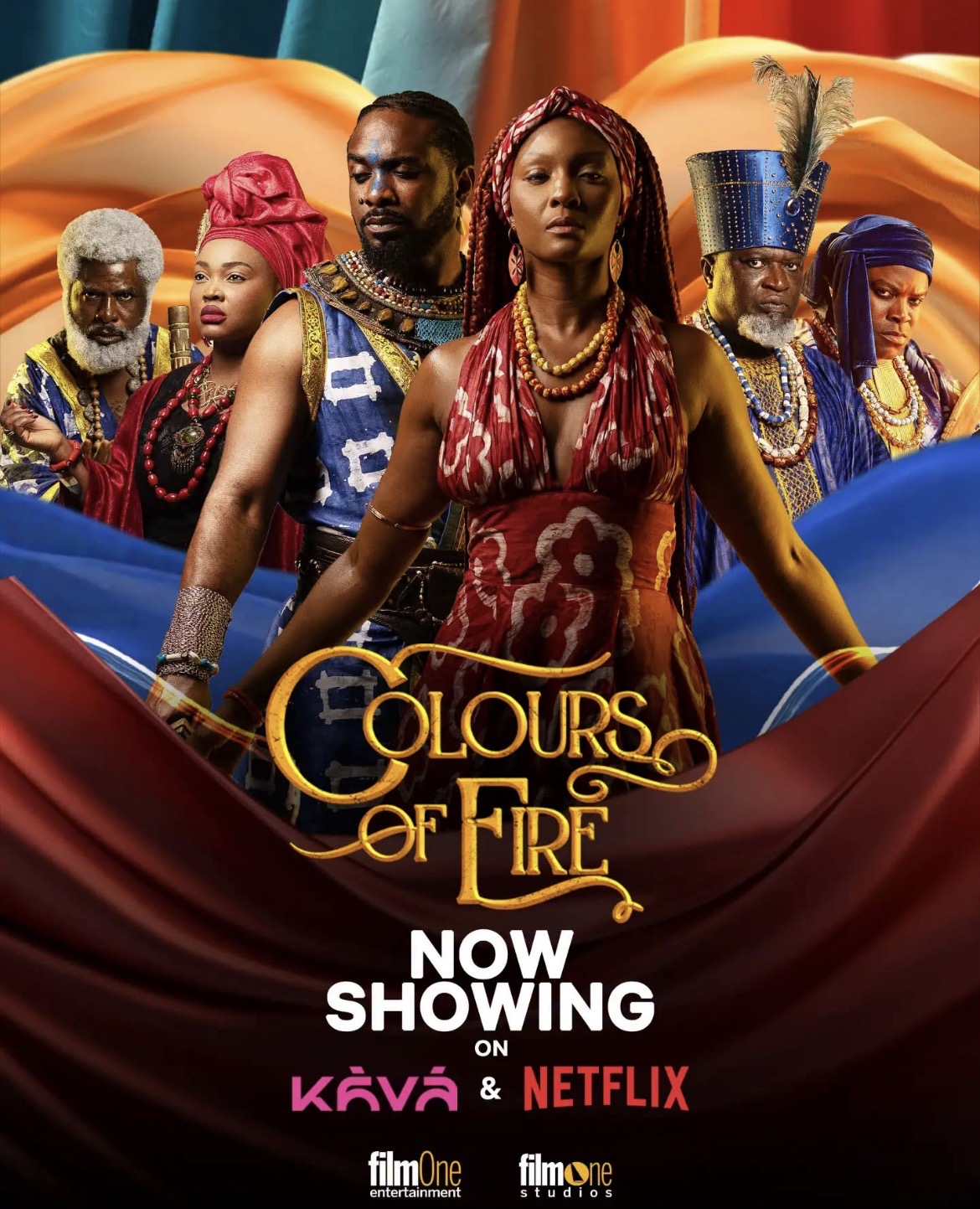
When Niyi Akinmolayan released Colours of Fire into Nigerian cinemas, it came carrying the heavy weight of a bold promise. By positioning the project as the flagship of a new cinematic genre dubbed Afrofusion, the production team invited audiences to anticipate a transformative experience that would marry the rich experience of African myth with modern digital technology. Following a theatrical run that generated over ₦100M at the box office and earned 3 Africa Magic Viewers' Choice Awards, the film has expanded its reach to global streaming audiences across Netflix and Kava. This transition provides an opportunity to examine whether this technical experiment succeeded in its primary goal of elevating storytelling standards within the Nigerian film industry.
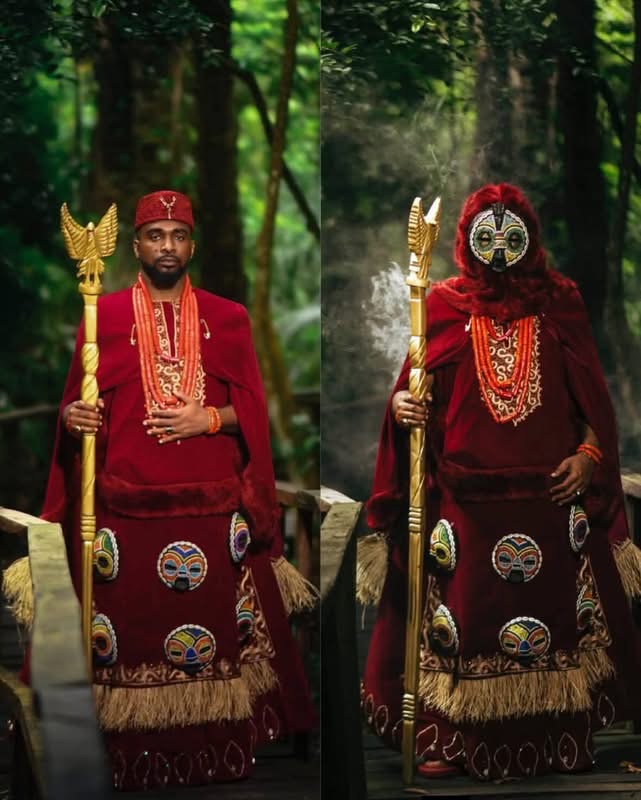
Directed by Niyi Akinmolayan and produced by Anthill Studios in collaboration with FilmOne Studios and Imuetinyan Productions, the project is less interested in delivering a conventional period drama than in pushing the visual boundaries of African fantasy. It attempts to build a world where grand costumes, computer generated imagery, and artificial intelligence assets work together to tell an epic tale of ancestral conflict.
Story
The narrative centers on a long standing rivalry between two ancient kingdoms, the Blue Tribe and the Red Tribe, whose mutual animosity is rooted in centuries of fear and deliberate misinformation.
Akinbode, played by Uzor Arukwe, is a disciplined warrior dispatched on a mission to neutralise a perceived threat from the opposing kingdom after reports spread of a monstrous figure attacking his people. His quest takes an unexpected turn when he encounters Moremi, played by Osas Ighodaro, a woman whose presence challenges everything he has been taught to believe about his supposed enemies.
Their relationship begins with hostility and suspicion, but as they spend time together, they uncover the uncomfortable truth that the hatred between their peoples is built on fabrications rather than genuine monstrosity. What follows is a journey where both characters must choose whether to uphold inherited prejudice or fight for a truth that could dismantle the existing order. The narrative is further enriched by supporting performances from Gabriel Afolayan, Mercy Aigbe, Femi Branch, and Ibrahim Chatta, who inhabit figures within both clans.
What Works?
The most impressive aspect of Colours of Fire is undoubtedly its technical ambition and visual texture.
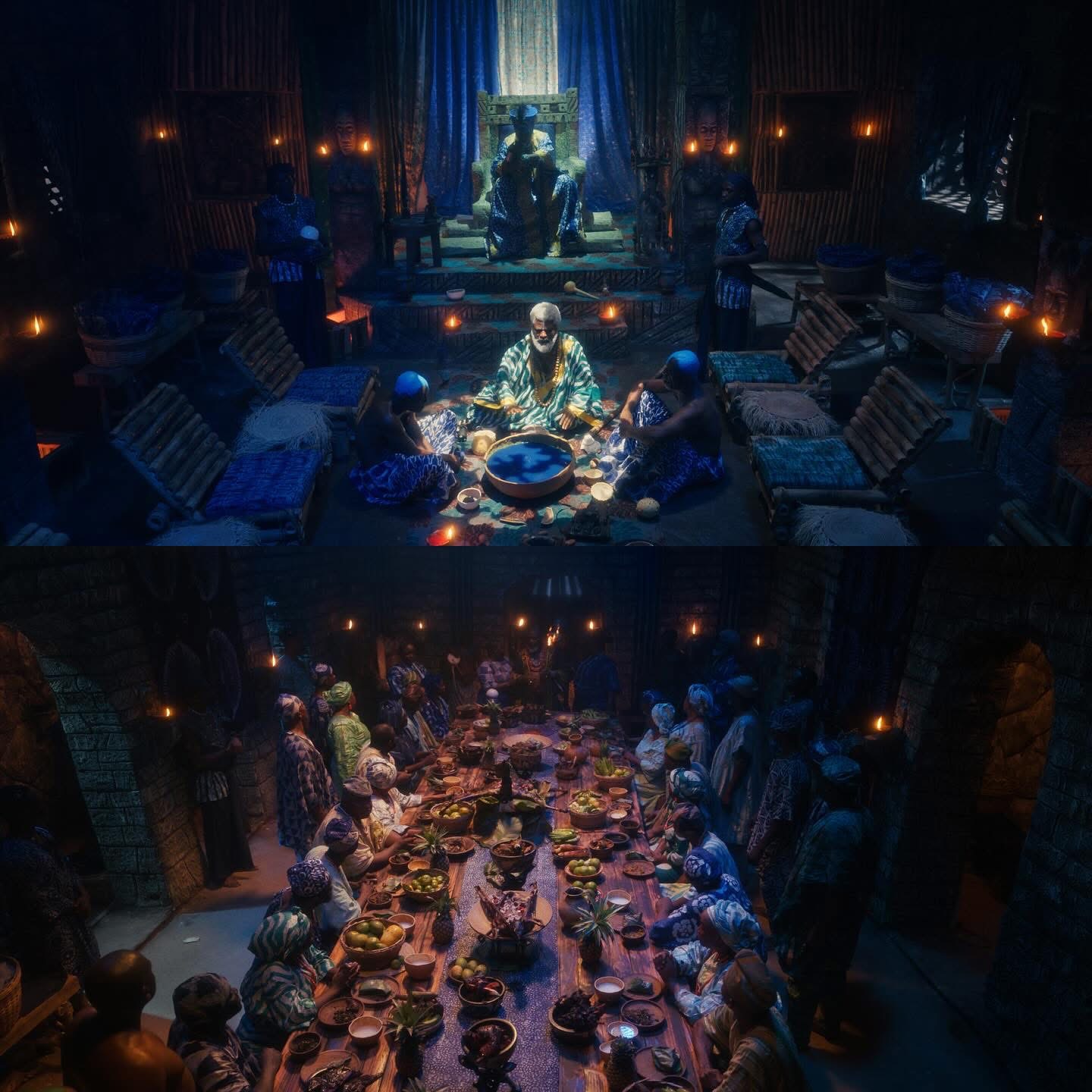
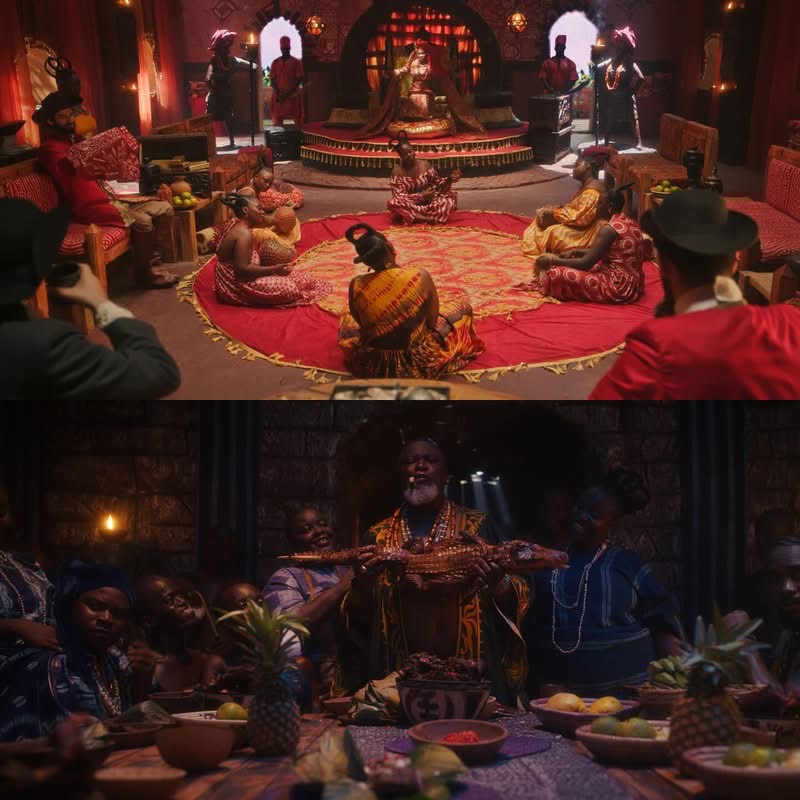
The production design demonstrates meticulous attention to detail, with costumes designed by Valerie Okeke and art direction by Ajamolaya Bunmi and Yakub Oladejo creating a distinct visual language for each tribe. The deliberate use of colour and composition creates an immersive atmosphere that establishes the mythic scale of the world right from the opening sequence. The Blue Tribe, associated with fabric making and sacred magic, stands in stark visual contrast to the Red Tribe, reinforcing the thematic divide through aesthetic choices alone.
The principal actors bring much needed grounding to the spectacle. Uzor Arukwe delivers a steady performance as Akinbode, balancing warrior intensity with moments of quiet conflict, a role that earned him the award for Best Lead Actor at the 12th AMVCAs. Osas Ighodaro provides a strong counterweight as Moremi, bringing warmth and emotional clarity to a role that frequently requires navigating dense exposition. Their chemistry helps sustain the human element within an otherwise technology heavy canvas.
Special mention must also be made of the sound design and musical score, which work effectively to build tension and heighten the emotional stakes during key confrontations.
What Kept Us Watching?
The film does not keep you watching simply to find out which tribe wins the war. It keeps you engaged because of the central question regarding how societies break free from institutionalised falsehoods.
The most compelling moments occur when Akinbode and Moremi begin to dismantle the myths they were raised on. Rather than relying solely on action set pieces, the narrative finds its most meaningful rhythm when it explores how fear is weaponised by leaders to maintain power.
Seeing the lead characters confront the reality that their lifelong enemies are human beings with their own struggles gives the story a layer of thematic relevance that resonates beyond the fantasy setting. The willingness of the screenplay to slow down and examine the psychological weight of inherited hatred gives the central relationship an emotional purpose that keeps the viewer invested.
What Did Not Quite Work?
Despite its visual grandeur, Colours of Fire encounters significant difficulty in balancing its technical experiment with narrative discipline.
The heavy reliance on artificial intelligence elements and computer generated visual effects frequently results in a noticeable disconnect between the live action performances and the digital backgrounds. Rather than serving as subtle tools that enhance world building, some visual effects appear distracting and pull the viewer out of the story. The integration of digital environments occasionally lacks the physical weight required to make the fantasy world feel fully lived in.
The screenplay also struggles with pacing and structural cohesion. The story frequently pauses for elaborate visual displays and extended dance numbers that stall dramatic momentum without advancing character arcs. Important plot points feel rushed, while secondary characters are left underdeveloped despite the caliber of the cast. These narrative shortcuts leave several emotional beats feeling less impactful than they ought to be given the grand scale of the setup.
Final Verdict
Colours of Fire is a fascinating and courageous effort to expand the horizon of Nigerian cinema, even if it does not entirely achieve its lofty narrative ambitions.
What it demonstrates is that Nollywood possesses the creative vision and technical courage to construct complex visual worlds. However, it also serves as a reminder that visual spectacle and digital innovation cannot substitute for tight screenplay structure and organic character development.
For audiences who appreciate bold technical risk taking and epic African fantasy, the film offers a visually memorable experience that signals an exciting direction for the industry.
For us, it is 3.5/5 ⭐⭐⭐✨