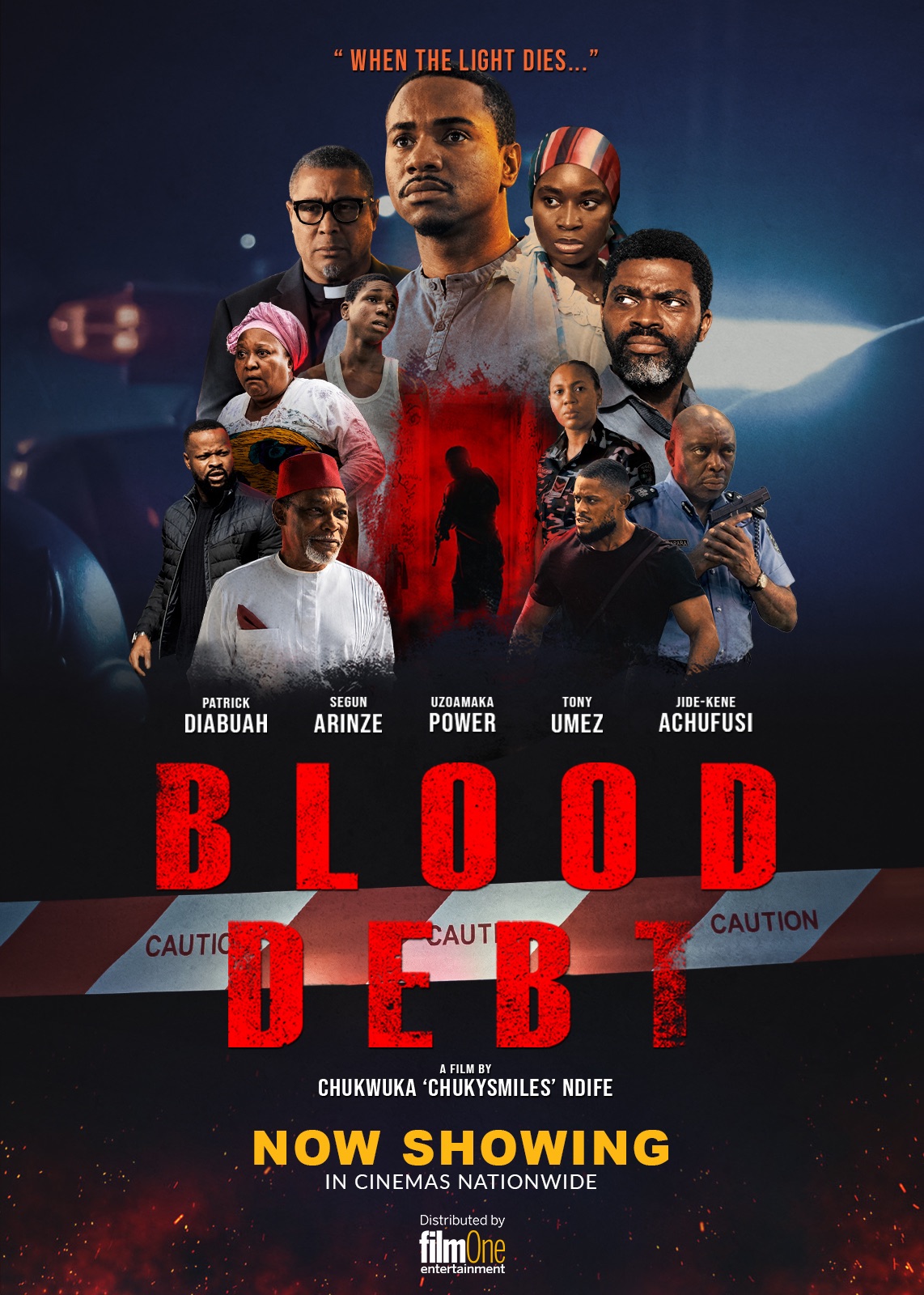
Chukwuka Ndife did not set out to make a film about crime. He set out to make a film about people, about what ordinary men and women are pushed to do when the institutions that are supposed to protect them simply refuse to.
Blood Debt, his feature directorial debut, is now showing in cinemas nationwide, distributed by FilmOne. It follows a vigilante cutting a bloody path through Nigeria's corrupt elite, and the detectives who must decide what to do about him. On paper, it sounds like a straightforward action thriller. In execution, it is something considerably more complicated.
The film stars Jide Kene Achufusi alongside veterans Segun Arinze, Norbert Young, and Ebele Okaro, and it is set in Abuja, a city Ndife knows well, and one that carries the weight of the film's politics in every frame.
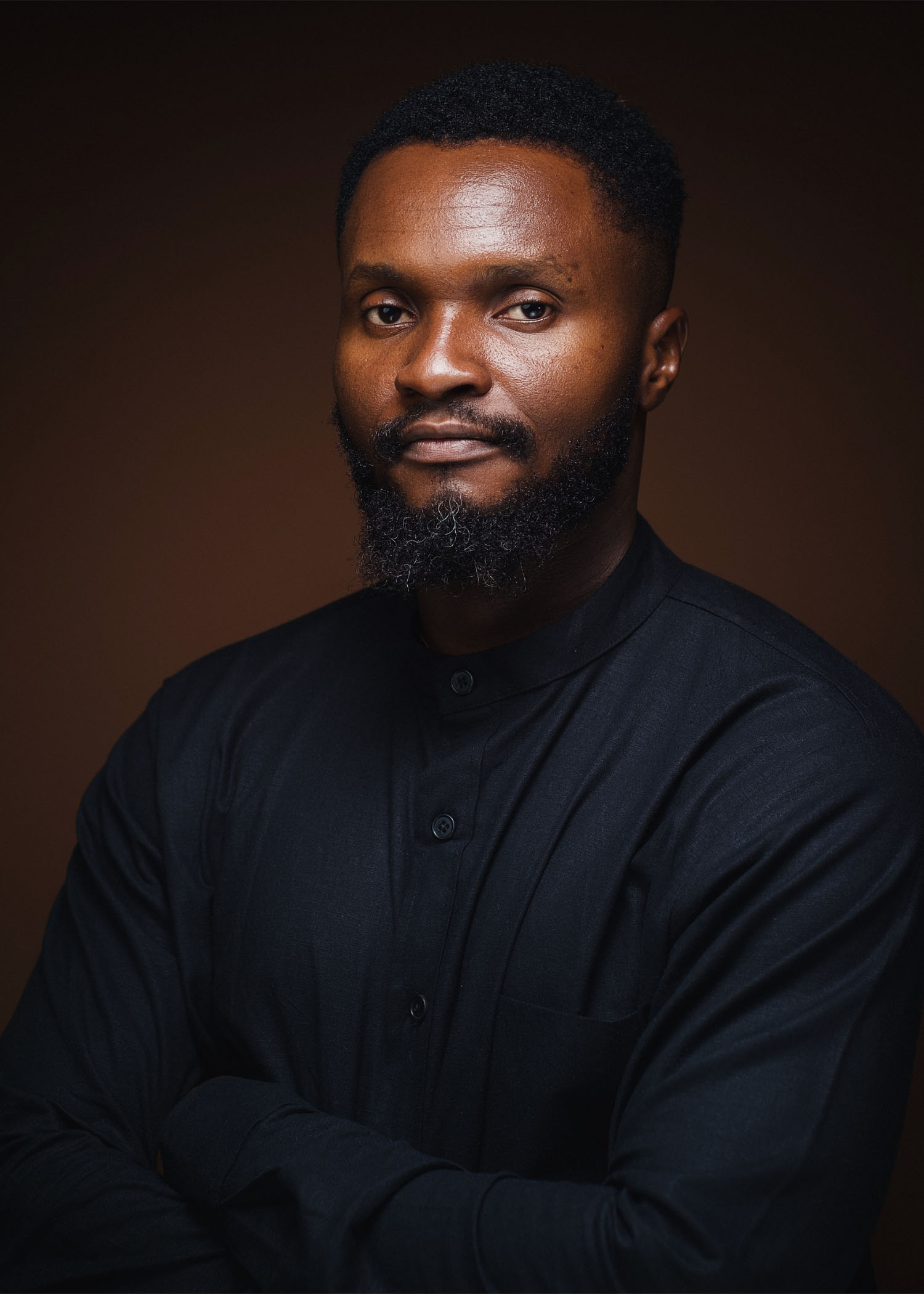
Sitting down to talk about the film, Ndife is measured and thoughtful. He chooses his words the way a director chooses shots: with intention.
His vigilante, he says, was never meant to be a hero or a villain in the clean, uncomplicated sense. "It is easy to create a villain or a hero, but real life is rarely that simple," he explains. "The vigilante in Blood Debt is someone audiences can understand because his pain and frustration are rooted in very real experiences. Many people have felt powerless in the face of corruption and injustice." But he is quick to draw a distinction. Understanding a man's choices, he argues, is not the same thing as endorsing them. The film keeps that line deliberately visible. "The audience may root for him at certain moments, but I hope they also question the cost of his choices."
The choice of Abuja as the setting was both personal and deliberate. It is Ndife's home base as a filmmaker, which gave the production an authenticity that a recreation could not have delivered. But beyond logistics, the city made thematic sense. Abuja is where power lives, where the decisions that shape millions of lives are made, and where the distance between those who govern and those who suffer the consequences is most sharply visible. The film draws its emotional foundation from that gap. Blood Debt was inspired, Ndife says, by the wave of vigilante violence and jungle justice that swept parts of Nigeria in the 1990s and early 2000s. He became fascinated by what drives ordinary people to support or participate in extrajudicial punishment. "Often, these acts are born out of frustration with institutions that seem unable or unwilling to deliver justice," he says. "What happens when those responsible for terrible crimes appear to walk free while the families of their victims continue to suffer?"

The characters are fictional, but the patterns they embody are not. Ndife was careful not to recreate specific events or point fingers at individuals, but he wanted the film to feel close enough to reality that Nigerians would recognize what they were seeing. He wanted the reflection, without the direct accusation.
One of the more nuanced threads running through Blood Debt is its treatment of the detectives. They are not corrupt enforcers or lazy bureaucrats. They are people trying to do the right thing inside a system that makes doing the right thing genuinely difficult. Ndife says that tension interested him deeply. "Not everyone within a flawed institution is flawed," he says. "There are people who genuinely want to do the right thing but must operate within systems that make that difficult." Their dilemma, he argues, mirrors a reality many honest officers in Nigeria face daily: the brutal weight of choosing between conscience, duty, and survival.
The film's title carries its own argument. A debt in blood, Ndife suggests, is owed by everyone in the story, not just the corrupt men who stole from the public, but the vigilante who has paid for his vengeance with pieces of his own humanity. "The title speaks to the idea that actions have consequences, whether committed in the halls of power or on the streets," he says. "Ultimately, everyone in the story is carrying some form of debt, and the film explores who is willing to pay it and who is determined to avoid it."
But Blood Debt does not stop at the question of who owes what. It pushes further, toward something harder. Ndife believes, and the film argues, that blood debts cannot be settled with more blood. Every act of vengeance creates a new wound, a new grievance, a new claim. The cycle does not end; it only changes hands. "The film suggests that forgiveness is ultimately the only way these cycles are broken," he says. "Forgiveness does not erase wrongdoing or remove accountability, but it creates the possibility of healing, redemption, and a future beyond revenge."
It is a bold position to take in a film packed with action sequences, chases, and confrontations. But Ndife insists that the action was never meant to distract from the argument. Every major set piece, he says, was designed to move the narrative forward or reveal something about the characters caught inside it. "If audiences are excited by the action but also leave thinking about corruption, justice, forgiveness, and the choices people make under pressure, then we have succeeded."
Part of what makes those performances land is the cast itself, specifically, the decision to pair veterans like Segun Arinze and Norbert Young with a contemporary lead in Jide Kene Achufusi. Ndife describes the dynamic on set as a healthy exchange, one that mirrored the film's own generational tensions. The older actors brought discipline and perspective. The younger cast brought intensity and a fresh approach to the material. "That balance mirrors some of the themes within the story itself," he says, "where different generations are confronting the same societal issues from different angles."

When asked what single question he hopes audiences carry home from the cinema, Ndife does not hesitate. He wants them sitting in traffic on the drive back, asking themselves whether vengeance actually brings peace, or whether it simply manufactures more suffering. He wants them to wrestle with the idea that forgiveness, more than a gun or a verdict, might be the most transformative and the most difficult choice a person can make.
"At its heart," he says, "Blood Debt is not just about crime, corruption, or revenge. It is about the choices people make when they are hurt."
Blood Debt is currently showing in cinemas nationwide.