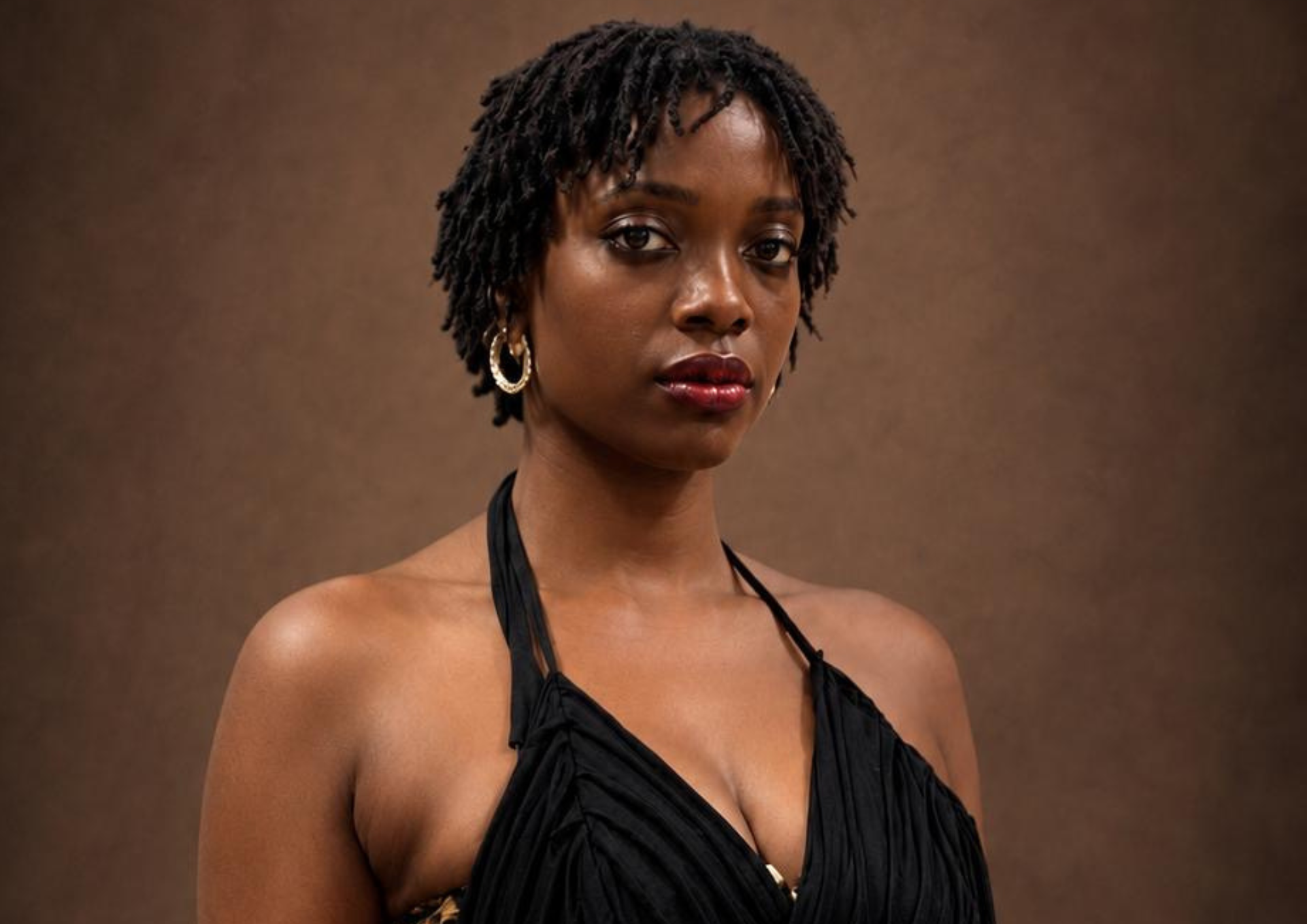
In the Nigerian film industry, the glamour of a movie premiere often masks the gruelling reality of being an independent producer. For Jennifer Okorie, CEO of Dashing Films, the actual process of making a movie from casting to shooting is only the beginning of a much steeper climb. As an emerging voice in the digital filmmaking space, Jennifer is remarkably candid about the hurdles that come after the production. In in this conversation with NollywoodCV, she pulled back the curtain on the unexpected challenges of audience building, the volatile nature of YouTube distribution, and the painful but necessary lessons learned along the way.

On the most difficult part of moving a project from production to an audience in today's market, Jennifer does not mince words. "To be honest, getting the audience has been the hardest part," she admits, noting that nothing fully prepared her for this phase of the business. According to the producer, filmmakers often pour all their energy into the creative process only to find themselves facing an entirely new battle after the production phase ends.
Reflecting on her earlier projects, Jennifer acknowledges a common pitfall among independent filmmakers. She realises she was too quick to release some of her films. Looking back, she believes she should have invested significantly more time in building anticipation and letting the public know a film was coming before releasing it. It is a sentiment that rings especially true in the digital age, where platforms like YouTube offer democratised access but demand relentless visibility.

Uploading a film, she learned, is merely a drop in the ocean. "Visibility takes a lot of work," Jennifer explains. "You have to market, create content, engage people, and keep talking about the project long after it’s released." The harsh truth of the current digital landscape is that even a cinematic masterpiece will go unwatched if audiences are simply unaware of its existence.
Operating without major studio backing in Nigeria is notoriously unforgiving. Jennifer describes the current ecosystem for independent filmmakers as inherently tough, pointing out that solo producers must constantly juggle multiple roles. To survive, they are forced to become marketers, promoters, distributors, and content creators all at once. While the internet has opened doors and provided direct access to audiences, the sheer volume of competition makes standing out a monumental task.

Speaking on the unexpected realities of the industry, Jennifer highlights a particularly frustrating hurdle for emerging creators. "Omo! one thing I didn’t expect was how difficult it would be to get support when you’re still building," she reveals. She explains that many established actors and influencers hesitate to collaborate with smaller channels, often waiting to see millions of views before taking a platform seriously.
Jennifer also quickly dispels the myth that a high budget guarantees an audience. For many emerging filmmakers, the realisation that sinking money into production does not automatically translate to viewership is a bitter pill to swallow. She confessed that she once believed a good story and high production value would naturally draw a crowd. Discovering that strategic promotion is just as critical as the film itself was a tough awakening.
Nowhere were these lessons more apparent than with the release of her recent web series, Chess. The project, which required a significant financial investment, became a master class in the complexities of a digital launch. Okorie notes that the series suffered from a rushed release and unexpected issues behind the scenes. "I also feel like I rushed the release tho we also had some setbacks with the editor," she recalls, explaining how those technical delays ultimately disrupted the momentum of her channel.
Looking back at the launch, the Dashing Films executive wishes she had orchestrated a much stronger marketing campaign before the first episode dropped. She specifically notes her regret over not fully utilising her cast to create promotional content and drum up excitement. Because the series cost so much to produce, falling short of expected viewership numbers took an emotional toll. "Naturally, you expect the numbers to reflect that investment," she admits. "When that doesn’t happen, it’s painful."
Despite the financial and emotional setbacks that come with independent distribution, Jennifer remains grounded and optimistic about the future. Rather than letting the challenges of the digital landscape defeat her, she views these hurdles as essential stepping stones. The missteps made during the launch of Chess have equipped her with a sharper and more strategic mindset for her future slate of films. As she aptly puts it, mistakes are simply "part of the journey as a filmmaker." Armed with a deeper understanding of marketing and audience engagement, Jennifer is proving that the fight for an audience is one she is now fully prepared to wage.