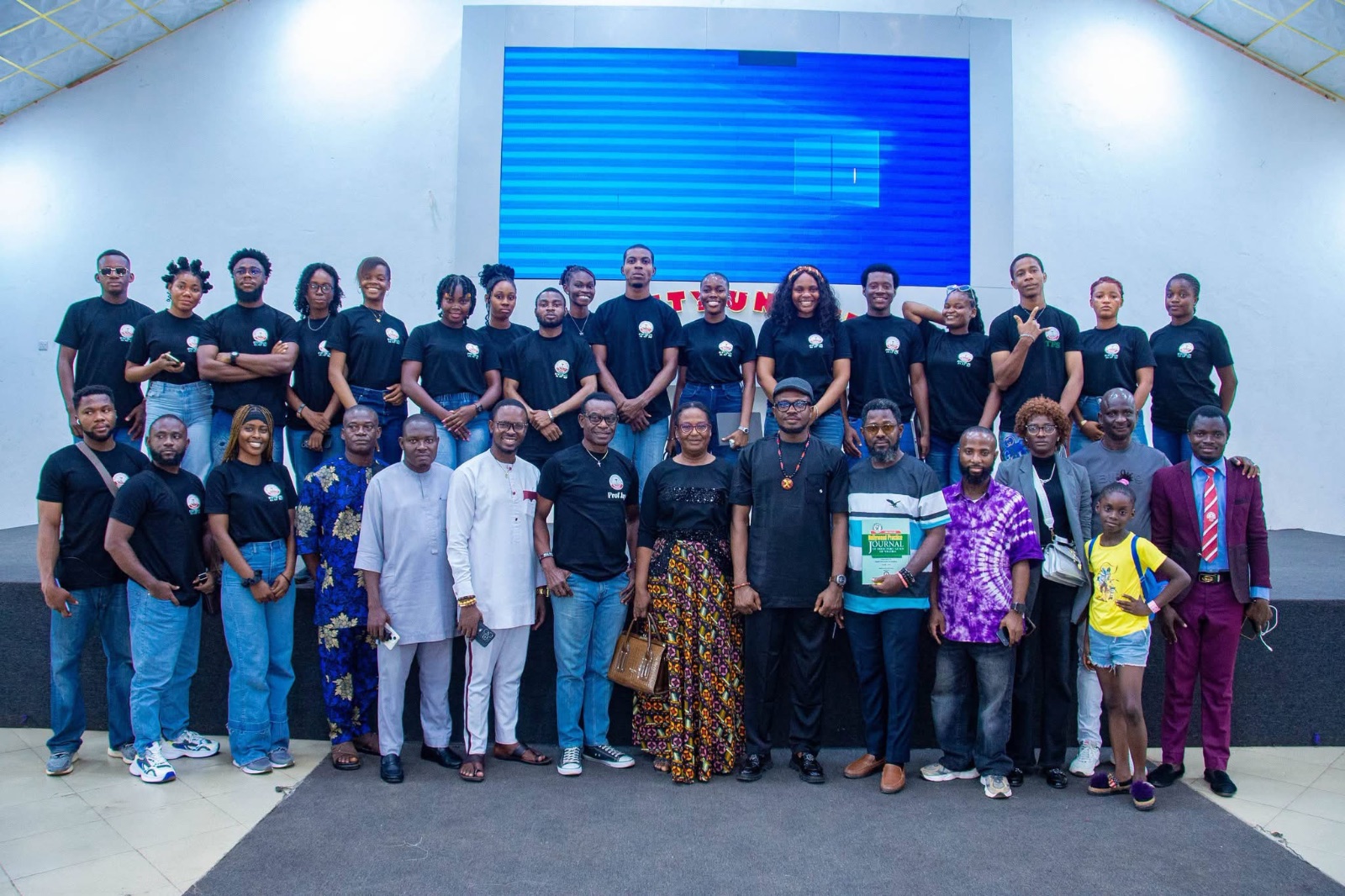
The Directors Guild of Nigeria successfully held its 3rd International Conference at Coal City University, Enugu, from 2nd to 4th July 2026, bringing together distinguished scholars, filmmakers, media practitioners, technology experts, students, and stakeholders from Nigeria and abroad to deliberate on the opportunities, challenges, and implications of Artificial Intelligence for African storytelling and the creative industries.
The conference was held under the theme Artificial Intelligence, Technology and the Future of Storytelling in Africa, reflecting the urgent need to examine the evolving relationship between emerging technologies and Africa’s rich storytelling traditions. It was formally declared open by Professor Afam Icha Ituma, Vice Chancellor of Coal City University, who welcomed participants, reaffirmed the university’s commitment to research, innovation, and industry collaboration, and emphasised the importance of higher education institutions providing intellectual leadership on technological developments affecting Africa’s creative economy.
The keynote address was delivered by Professor Hyginus Ekwuazi, Professor of Film Studies at Pan-Atlantic University, whose presentation highlighted the historical evolution of storytelling technologies and emphasised the need for Africa to embrace innovation while preserving the authenticity of its narratives. Lead papers were presented by Reverend Father Professor Innocent Uwah, Vice Chancellor of Nigerian British University Asa; Professor Felicia Moh, Director of Academic Planning at Coal City University; Professor Tunji Azeez, President of the Society of Nigerian Theatre Artists; and Professor Matthew H. Brown of the University of Wisconsin-Madison, USA.
The conference featured robust scholarly engagements through numerous paper presentations addressing contemporary issues surrounding Artificial Intelligence, filmmaking, digital media, documentary production, photography, creative education, virtual production, ethics, cultural identity, and the future of African creative labour. Papers presented at the event covered topics including generative AI and climate documentary production in the Niger Delta, Artificial Intelligence and Nollywood opportunities and challenges, human-in-the-loop filmmaking and creative labour in Nollywood, counselling creative students in the age of AI-generated art, cultural identity and intentional fallacy in AI-generated content, virtual production technologies and Nollywood aesthetics, algorithmic storytelling and the future of professional photography, ethical concerns surrounding AI-assisted scriptwriting, and power, resistance, and African representation in the era of Artificial Intelligence.
Following extensive deliberations and panel discussions, the conference reached ten key resolutions. Participants agreed that Artificial Intelligence should be embraced as a complementary creative tool rather than a replacement for human creativity, with human imagination, cultural experience, emotional intelligence, and artistic judgment remaining indispensable to authentic African storytelling. The conference also resolved that African cultural identity, indigenous knowledge systems, and ethnographic realities must remain central to AI-assisted storytelling, and that AI technologies should support rather than erode the continent’s diverse cultural heritage. Universities and tertiary institutions were called upon to actively integrate Artificial Intelligence into teaching, research, and creative practice through curriculum development, interdisciplinary research, innovation hubs, and practical training.
The conference further resolved that the Nigerian and African creative industries should view AI as a catalyst for innovation and global competitiveness rather than as a threat to employment, with emphasis placed on reskilling, continuous professional development, and the emergence of new creative roles enabled by AI technologies. Governments, educational institutions, and professional bodies were called upon to invest in digital infrastructure, AI literacy, and technological capacity building to ensure that African creatives are not left behind in the rapidly evolving global creative economy.
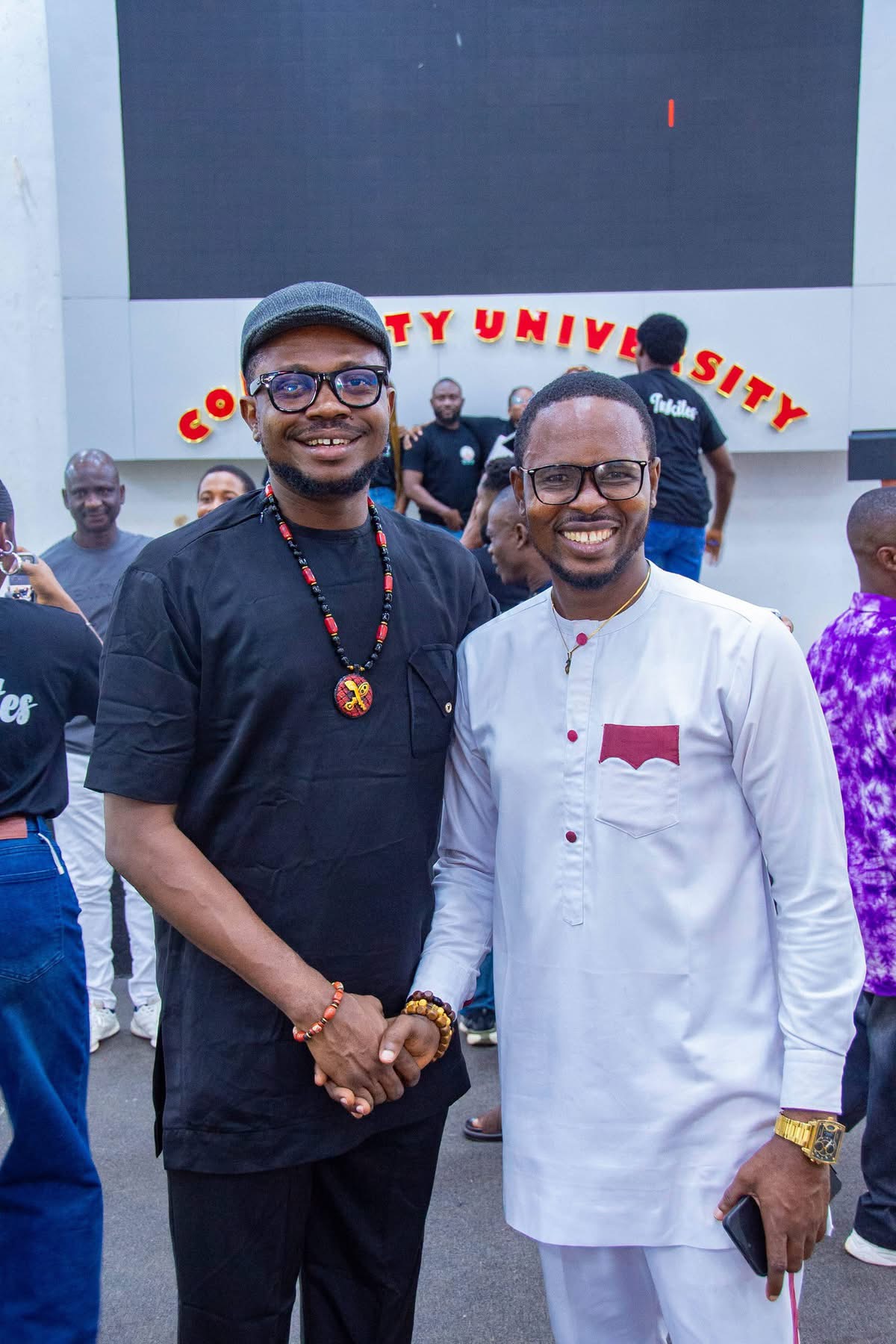
DGN President Mr. Uche Agbo expressed appreciation to Professor Afam Icha Ituma and the entire management of Coal City University for hosting the conference and providing an enabling environment for academic engagement. He also appreciated Professor Effiong Jonson, who led three colleagues and thirty students from the University of Uyo to attend the conference.
The conference concluded with a renewed commitment by participants to continue advancing research, innovation, ethical practice, and collaborative partnerships that will strengthen African storytelling in the age of Artificial Intelligence.